Your Foreign Remittance TCS Just Got a Lot Cheaper
If your startup sponsors employees for overseas training, or if you are personally sending money abroad for education or medical treatment, April 1, 2026 brought a significant cash flow improvement. The Finance Bill 2026 has slashed TCS (Tax Collected at Source) on foreign remittances under the Liberalised Remittance Scheme from a tiered 5-20% structure to a flat 2% for most categories.
For founders building globally and families managing cross-border expenses, this is not just a rate change. It is a meaningful reduction in upfront capital locked up with the government.
What the New Rates Look Like
The changes apply under Section 394(1) of the Income Tax Act, 2025 (formerly Section 206C(1G) under the 1961 Act). Here is the simplified picture:
- Education (self-funded): Down from 5% to 2% on amounts above Rs 10 lakh per FY
- Medical treatment abroad: Down from 5% to 2% on amounts above Rs 10 lakh per FY
- Overseas tour packages: Collapsed from a 5%/20% tiered structure to a flat 2% from the first rupee, with no threshold
- Education via loan (Section 80E): Still Nil. No change.
- Investment remittances: Still 20% above Rs 10 lakh. No change.
The LRS annual limit of USD 250,000 per resident individual per financial year remains unchanged.
Real Impact: The Numbers That Matter
Consider a parent remitting Rs 25 lakh for a child studying overseas. Under the old rates, TCS at 5% on Rs 15 lakh (the amount above the Rs 10 lakh threshold) would have been Rs 75,000. Under the new 2% rate, it drops to Rs 30,000. That is Rs 45,000 freed up in immediate cash flow.
The savings are even more dramatic for tour packages. A Rs 15 lakh international holiday previously attracted Rs 1,50,000 in TCS (5% on the first Rs 10 lakh plus 20% on the remaining Rs 5 lakh). Now, at a flat 2%, the TCS is just Rs 30,000. An 80% reduction.
What Startup Founders Should Know
If your company sponsors employees for overseas training or conferences, those remittances (classified as education) now attract only 2% TCS instead of 5%. For business development trips booked as tour packages, the flat 2% replaces what could have been a 20% TCS hit on amounts above Rs 10 lakh.
However, if you are setting up an overseas subsidiary and making investment remittances, the 20% rate above Rs 10 lakh is unchanged. Plan your cross-border structuring accordingly.
Your 5-Step Compliance Checklist
- Verify with your bank or authorized dealer that TCS collection rates have been updated effective April 1, 2026
- Submit Form 27C if you are eligible for nil TCS (education loan cases under Section 80E)
- Recalculate advance tax for FY 2026-27. Lower TCS means lower tax credits available at filing time.
- Track TCS in Form 168 (formerly Form 26AS). All collections will be reflected here for credit claims.
- Tour operators: Update billing systems to flat 2%. No more split calculation at the Rs 10 lakh threshold.
Download the Full Carousel
We have prepared a detailed visual guide covering the complete rate comparison, savings examples, exemptions, and your compliance action plan. Download the full carousel PDF here.
Going Global? Get Expert Guidance
TCS rationalization is just one piece of the cross-border puzzle. If your startup is expanding internationally, FEMA compliance, ODI filings, and transfer pricing all require careful planning.
Join our FREE webinar on April 18, 2026: The 5 FEMA Mistakes Indian Startups Make When Going Global. Register here.
Need help navigating cross-border tax compliance for your startup? Get expert guidance from A S Banka Advisors Private Limited.
Related Posts
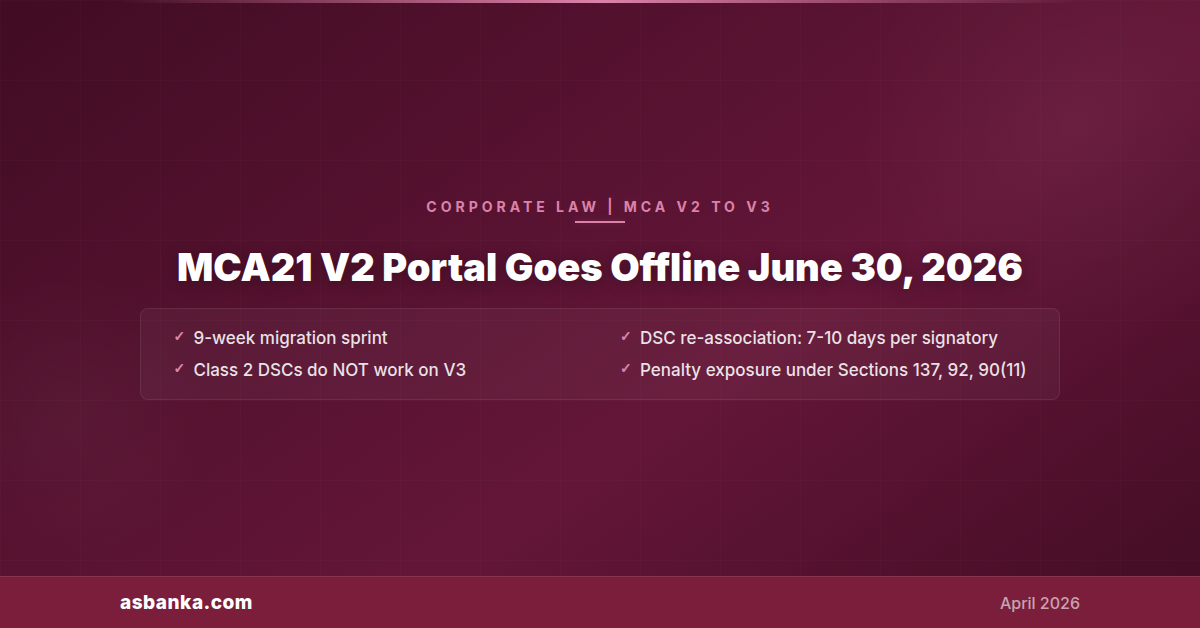
MCA21 V2 Portal Goes Offline June 30 2026: A 9-Week Migration Sprint for Indian Founders and Their Professionals
Most CA practices we have spoken to in the last…
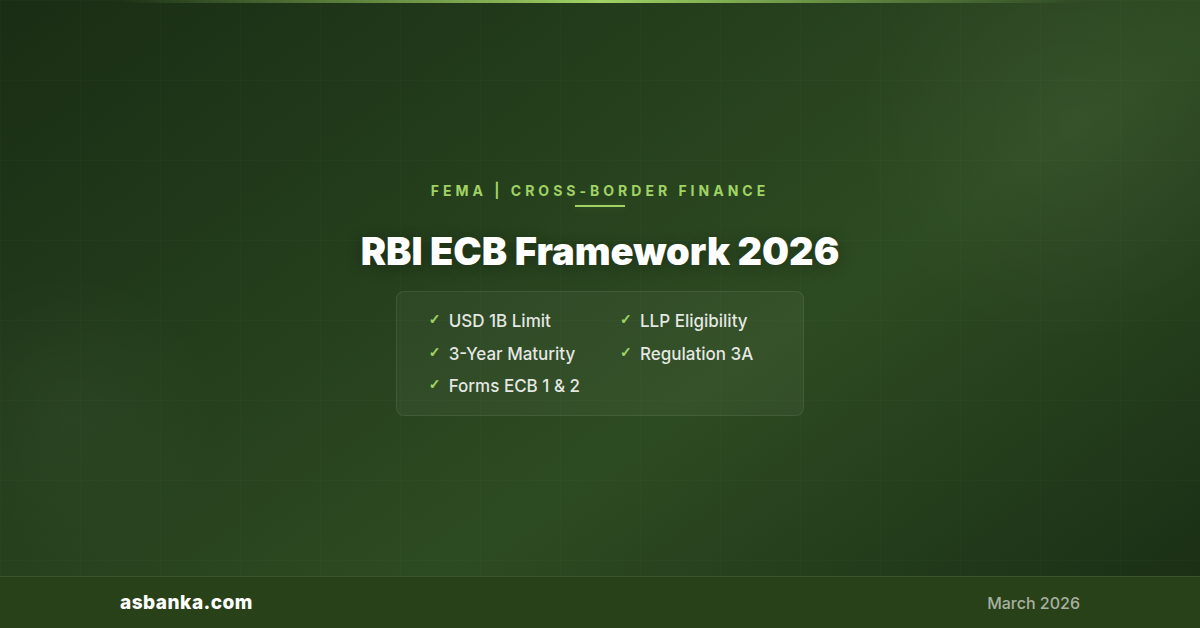
RBI ECB Framework 2026: What the New Cross-Border Borrowing Rules Mean for Your Startup
The Landscape Has Shifted for Foreign Borrowing If your startup…
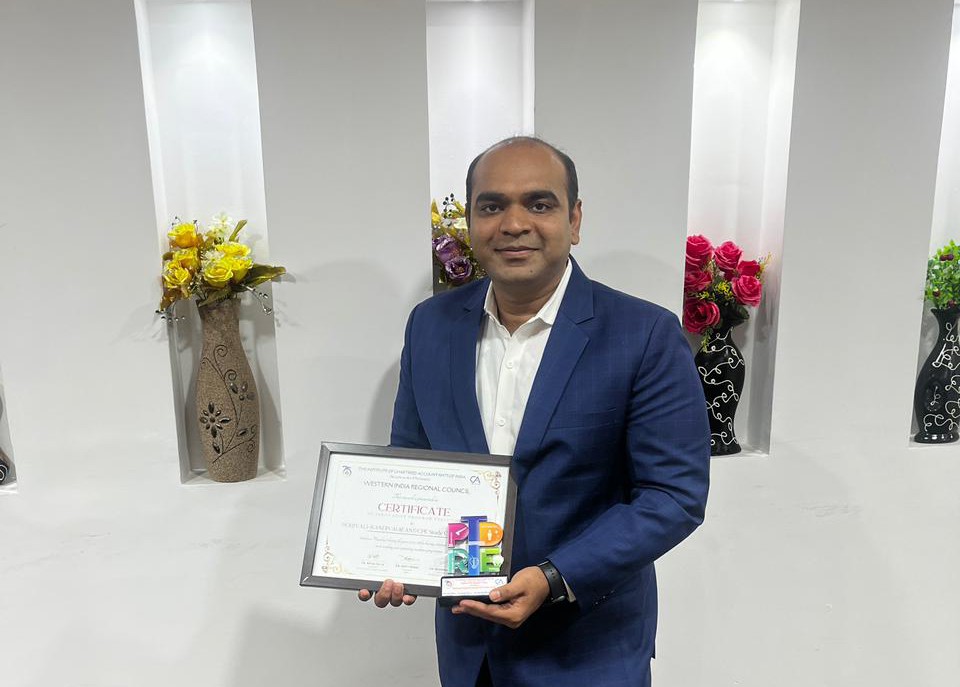
Recognition from WIRC of ICAI for Inovative Programme Execution
Received Recognition from WIRC of ICAI for Inovative Programme Execution…