A Landmark Shift in Indian M&A Financing
On February 13, 2026, the Reserve Bank of India issued amendment directions that, for the first time, allow commercial banks to directly finance corporate acquisitions. Effective April 1, 2026, this framework creates a structured pathway for bank-funded M&A transactions in India.
For growth-stage companies and Indian unicorns planning strategic consolidation, this is the most significant development in acquisition finance in decades. Here is what your advisory team needs to understand.
Who Qualifies: The Eligibility Bar Is High
The framework sets a clear eligibility threshold. Borrowers must have a minimum net worth of Rs. 500 crore. Listed companies must demonstrate profits for the last three consecutive years, while unlisted companies need an investment-grade credit rating (BBB- or higher). Critically, only non-financial companies qualify, and the acquisition must be a strategic control transaction, not a portfolio investment.
For incremental stake acquisitions, financing is available only when the acquisition crosses defined voting rights thresholds: 26%, 51%, 75%, or 90%.
Financing Structure: The Key Numbers
Banks can fund up to 75% of the independently assessed acquisition value. The borrower must contribute a minimum of 25% from their own equity. Post-acquisition, the consolidated debt-to-equity ratio must remain within 3:1 on a continuous basis. Any breach constitutes a covenant violation requiring immediate corrective action.
Individual bank exposure is capped at 20% of the eligible capital base across all borrowers, preventing concentration risk in M&A lending.
Collateral and LTV Framework
Primary security takes the form of acquired shares or compulsorily convertible debentures (CCDs) pledged to the lending bank, along with a mandatory corporate guarantee from the acquirer. The LTV norms are tiered:
- Listed shares and convertible debentures: 60% LTV
- Equity mutual funds, REITs, InvITs: 75% LTV
- AAA-rated debt securities: 85% LTV
- Government securities: 90% LTV
Daily LTV compliance monitoring kicks in from April 1, 2026.
What This Means for Your Startup
If your company has crossed the Rs. 500 crore net worth threshold and is planning domestic consolidation, this framework opens a structured bank-funded acquisition pathway. Previously, such transactions required entirely equity-funded structures or complex private credit arrangements.
The 75% bank funding ceiling, combined with a manageable 3:1 debt-to-equity requirement, makes leveraged acquisitions financially viable for qualifying Indian companies. Early adoption is permitted before the April 1 effective date.
Action Items for Companies Planning Acquisitions
- Verify your company meets the Rs. 500 crore net worth threshold
- Engage an independent registered valuer for target company assessment
- Structure the 25% equity contribution from own funds
- Initiate bank conversations now (early adoption is permitted)
- Model the post-acquisition capital structure within the 3:1 ratio
- Prepare corporate guarantee documentation and collateral pledge agreements
Download the full carousel PDF for a visual breakdown of the framework
Get Expert Guidance
Structuring acquisition finance under the new RBI framework requires careful planning across corporate law, FEMA, and banking regulations. If your company is exploring strategic acquisitions, our team at A S Banka Advisors Private Limited can help you navigate the eligibility requirements, financing structure, and compliance obligations.
Related Posts

The Cap Table Hygiene Checklist: Is Your Startup Due Diligence Ready?
Before your next investor meeting, run through this checklist. Most…
Annual RBI Reporting for Your Foreign Subsidiary: What Indian Founders Owe Every 31 December
Key Takeaways If you hold equity in a foreign entity…
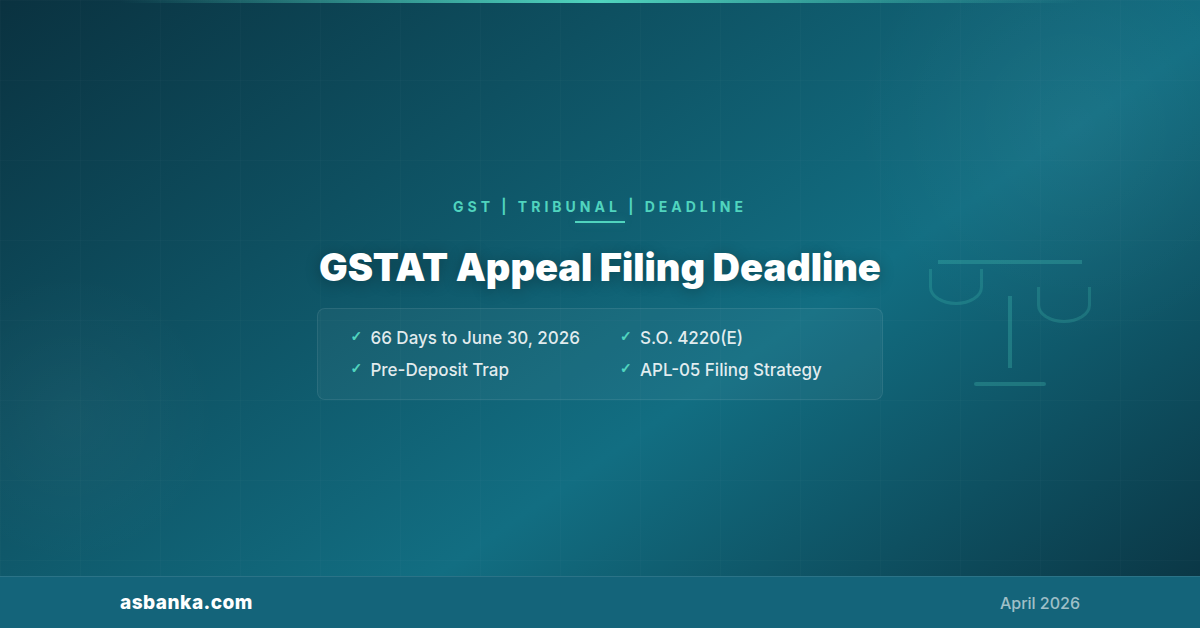
GSTAT Appeal Window Closes June 30, 2026: A Decision Framework for Pre-April 1 Backlog Orders
If your business is sitting on a GST first-appeal order…