
The Nine-Year Cess Is Ending. Is Your Business Ready?
On March 31, 2026, the GST Compensation Cess officially sunsets. For businesses in automobiles, aerated beverages, coal, and tobacco, this is not just a line item deletion; it is a fundamental shift in how invoicing, ERP systems, and GST return filings need to be configured.
If your startup purchases coal as a raw material, sells aerated drinks, or operates in the automobile supply chain, here is what you need to know and act on before April 1.
What Changed and When
The cess was introduced in July 2017 to compensate states for GST transition revenue losses. Originally set to expire in June 2022, it was extended to repay Rs 2.69 lakh crore in COVID-era borrowings. Three key milestones have already reshaped the landscape:
- September 2025 (GST Reform 2.0): Compensation cess merged into consolidated GST rates for most goods. Luxury cars, SUVs, coal, and aerated drinks now carry single headline rates instead of the earlier dual structure.
- February 2026 (Tobacco Overhaul): Cess on tobacco and pan masala replaced by Central Excise plus NCCD and HSNS Cess respectively. A new MRP-based valuation system calculates GST at 40% of the Maximum Retail Price on packaging.
- April 2026 (Peak Rate Ceiling): The maximum permissible GST rate rises from 40% to 60%. This is a legal ceiling, not a new tax rate. The four-slab structure (5%, 12%, 18%, 28%) continues unchanged.
Why This Matters for Your Startup
The transition is designed to be revenue-neutral. Your total tax burden should not change. But the operational implications are significant:
- Invoice format changes: Remove the separate cess column from all invoices. Billing software must reflect consolidated GST rates.
- ERP reconfiguration: Update tax rules, rate tables, and GST return filing templates. The separate cess ledger in the GST portal is no longer needed for most goods.
- ITC reconciliation: Reconcile your cess credit balance before the April 20 GSTR-3B filing. Total credit available should remain unchanged, but classification changes may affect how credits flow.
- Supplier verification: Confirm that your suppliers have updated their invoicing to new consolidated rates. Mismatched rates create ITC claim risks.
Your 7-Day Action Plan
- Update ERP and billing software to remove cess columns (by March 31)
- Reconcile all cess credit balances in your GST portal
- File any pending cess returns before March 31
- Verify supplier invoicing reflects consolidated rates
- Communicate invoice format changes to customers and dealers
- For tobacco businesses: confirm MRP-based valuation is already implemented (effective since February 1)
- Track GST Council announcements for the upcoming peak rate amendment and Health/Clean Energy Cess proposals
What to Watch Next
The GST Council is expected to meet in April 2026 to finalize the peak rate amendment and two new proposed cesses: a Health Cess on tobacco products and a Clean Energy Cess on coal. Both require Constitutional amendment and Parliamentary approval. Until formal notifications arrive, the consolidated rate structure under GST Reform 2.0 applies.
Download the full GST Compensation Cess Transition Guide (PDF carousel)
Need help navigating the GST transition for your business? Talk to an expert at A S Banka Advisors Private Limited.
Related Posts
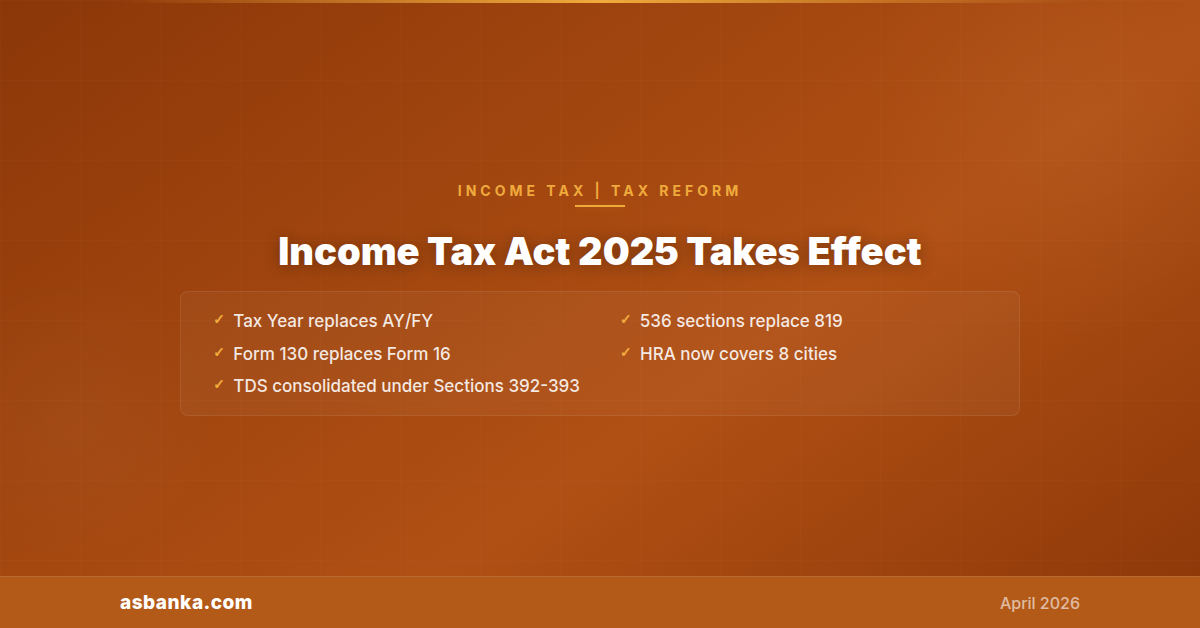
Income Tax Act 2025: What the Biggest Tax Reform in 64 Years Means for Your Startup
April 1, 2026: A New Era in Indian Tax Law…
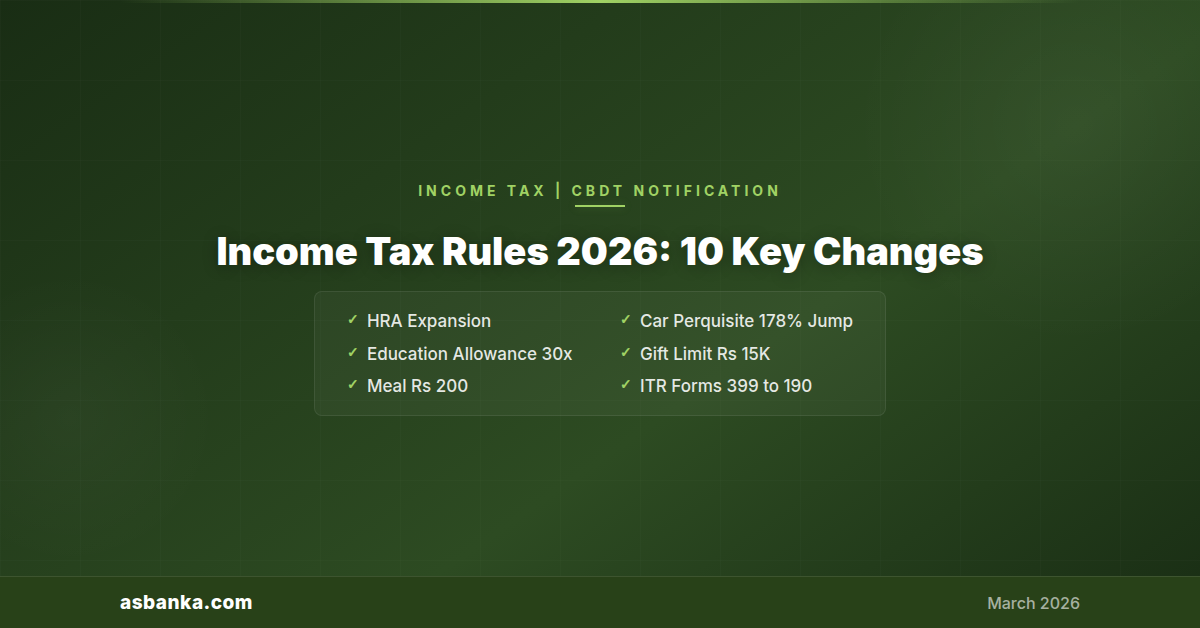
Income Tax Rules 2026: What 10 Key Changes Mean for Your Startup and Your Team
The Central Board of Direct Taxes (CBDT) has notified the…
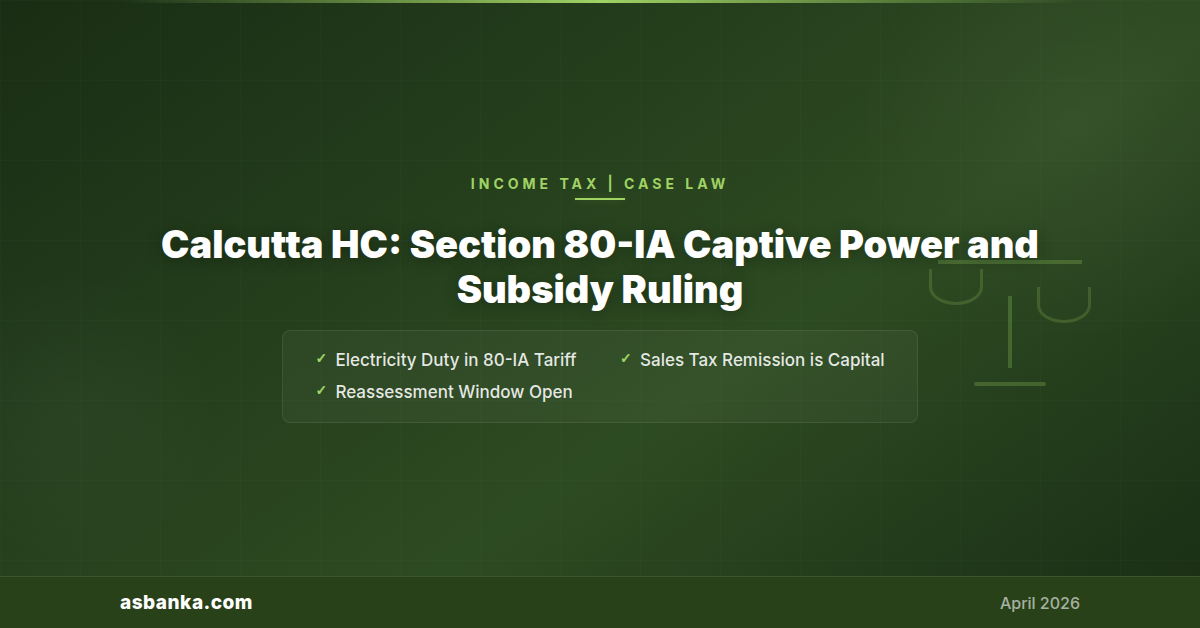
Calcutta HC Graphite India Ruling: What the Section 80-IA and Subsidy Reversals Mean for Your Startup
The Calcutta High Court has handed startup founders, manufacturing CFOs,…